
Agriculture R&D Tax Credits
In the dynamic world of modern agriculture, where precision breeding unlocks drought-resistant corn hybrids, AI-optimized irrigation conserves water amid climate variability, and biotech formulations combat soil degradation, your experimental efforts qualify for substantial federal and state incentives under IRC §41. These credits directly offset the costs of developing resilient crop systems, scalable vertical farming prototypes, and data-driven yield forecasting tools that secure food supply chains. Get the full picture in our R&D Tax Credit overview.

Sub-Industries Related to Agriculture
Agricultural operations span diverse sub-sectors, each featuring distinct R&D pathways tied to crop management, equipment innovation, and sustainability protocols. Below are key areas with specialized guidance on eligible activities and credit optimization.
Examples of Qualifying Activities in Agriculture
- Seed Variety Breeding and Testing Breeding hybrid soybean strains for enhanced nitrogen fixation, conducting field trials to measure pod yield under variable pH soils, and iterating genetic markers to predict resistance to fungal pathogens like soybean rust.
- Precision Irrigation System Design Prototyping sensor-integrated drip lines that adjust flow rates based on real-time soil moisture data, evaluating algorithmic models to minimize evaporation losses while ensuring uniform root zone hydration across uneven terrain.
- Soil Amendment Formulation Experimenting with microbial inoculants blended into compost for carbon sequestration, testing pH-neutralizing amendments through greenhouse assays to resolve uncertainties in nutrient release rates for sandy loam applications.
- Automated Harvesting Equipment Development Integrating computer vision into combine harvesters for selective grain separation, running simulations and field validations to address mechanical uncertainties in stalk throughput without seed damage.
- Pest Management Innovations Developing RNA interference-based biopesticides for corn rootworm control, iterating delivery mechanisms via foliar sprays and assessing efficacy through multi-season plot studies under integrated pest management frameworks.
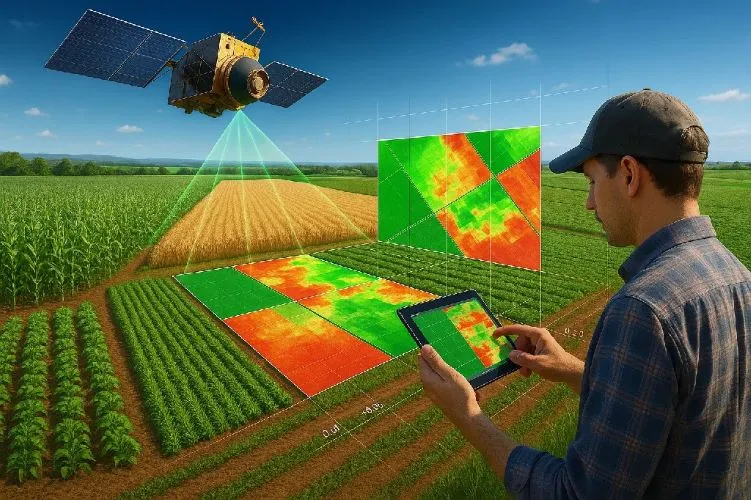
- Yield Prediction Analytics Building machine learning models that fuse satellite imagery with weather APIs for soybean harvest forecasting, prototyping ensemble methods to quantify prediction errors from historical yield variances.
What Qualifies as R&D in Agriculture
Your projects may qualify if they:
- Pursue a Permitted Purpose: Seek to develop or refine crops, processes, or tools for superior performance, reliability, or adaptation, such as engineering wheat varieties with extended shelf life post-harvest to reduce spoilage in supply chains.
- Address Technical Uncertainty: Confront unknowns like "How will this biochar amendment affect microbial activity in saline soils over a three-year cycle?" or "Can drone-based multispectral imaging accurately detect nutrient deficiencies at canopy closure?" These involve unresolved agronomic or engineering challenges.
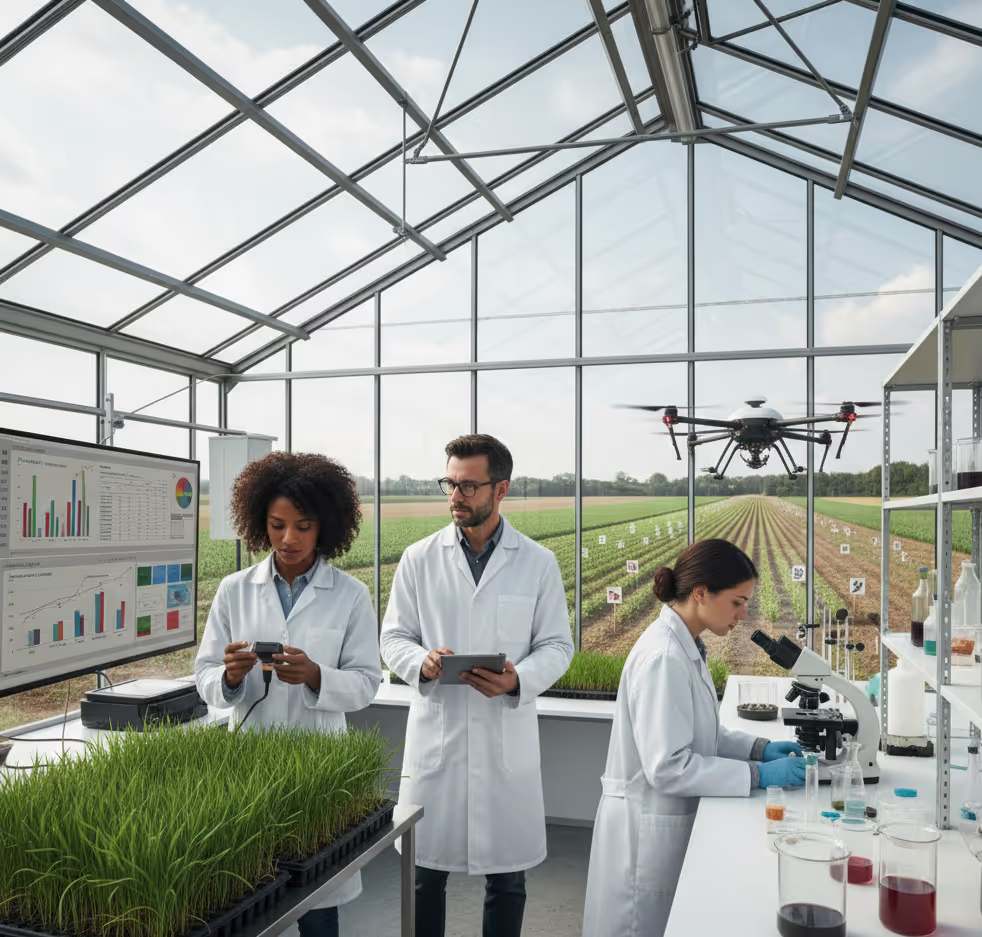
- Involve Experimentation: Employ field trials, statistical modeling (e.g., ANOVA for yield data), prototype iterations, or controlled greenhouse tests to compare hypotheses. Experimentation means systematic trials to eliminate alternatives.
- Rely on Hard Sciences: Base work on agronomy, soil chemistry, biology, or data science, not routine farming practices or consumer preference surveys.
Key Details
The IRS applies uniform standards to agriculture, including row crops, livestock feed optimization, and precision equipment. For grant-funded projects like USDA SBIRs, qualification holds if you retain substantial rights and assume financial risk, avoiding funded research exclusions under §41. Projects must demonstrate documented uncertainties, testable alternatives, iterative processes, and scientific foundations.
Qualified Research Expenses (QREs)
Key Details
These QREs often generate federal credits of 6 to 10 percent, plus state enhancements, based on comparisons to historical baselines and Section 280C adjustments. In agriculture, expenses from breeding trials, equipment prototypes, and analytics directly fuel credits when linked to experimentation. Precise tracking amplifies returns, especially for operations blending traditional farming with tech-driven improvements. To calculate R&D tax credit potential, align expenses with qualified activities early.
Common Roles Involved
- Agronomists and crop physiologists
- Agricultural and mechanical engineers
- Soil scientists and plant pathologists
- Data analysts and GIS specialists
- Farm operations and sustainability managers
- Biotechnologists and geneticists
- Software developers for agtech platforms
- Field technicians and quality control specialists
Key Details
These positions mirror structures in seed development, precision farming, and sustainable ag systems. Indirect contributions, such as technicians logging trial data, count if connected to core experimentation.
What does not qualify
- Standard planting, tilling, or harvesting with proven techniques
- Routine inspections, cosmetic crop enhancements, or existing method adaptations lacking uncertainty
- Business operations like market analysis, procurement, or regulatory filings
- Facility upgrades not tied to specific trials, such as general barn expansions
- Fully funded research without retained rights (e.g., sponsored trials where funder owns all IP)
- Aesthetic modifications or minor efficiency gains without scientific testing
Key Details
A frequent myth is that only lab-based biotech qualifies, but field-level innovations like custom irrigation meet standards if experimental. Prioritize substantive R&D to sidestep IRS disputes; routine agriculture rarely triggers audits alone.
Compliance and Documentation
§174 Update
Under the One Big Beautiful Bill Act (OBBBA) enacted July 4, 2025, §174 permits immediate expensing of U.S.-based research for tax years starting January 1, 2025, with an election for §174A amortization. Overseas expenses amortize over 15 years. This complements §41 credits but shapes broader strategy.
Key Documentation to Maintain:
- Trial protocols, field notebooks, and progress reports on crop experiments
- Lab results, yield metrics, and statistical analyses from iterations
- Employee timesheets allocated to qualified projects
- Supplier receipts and agreements for materials or external services
- Records outlining technical risks and evaluation methods
Frequently Asked Questions
Yes, operations innovating in crop breeding, equipment design, or sustainable practices qualify if they satisfy the four-part test, including family farms, co-ops, and agtech firms tackling uncertainties in yield or resource use.
Eligible work includes trialing new fertilizer blends for nutrient uptake, prototyping automated weeders with AI detection, or modeling climate-resilient rotations. These must involve experimentation to resolve agronomic challenges.
Refunds typically span $20,000 to $500,000 yearly, or 5 to 10 percent of QREs federally, plus state boosts. Qualified Small Businesses like ag startups can apply up to $500,000 against payroll taxes.
Amendments cover up to three open prior years federally, with state variations; the 2025 OBBBA expands lookbacks to 2022 for many. Retain records from those periods to support claims.
Compile trial logs, expense ledgers, and employee attestations showing activity links to uncertainties. This counters audit risks, as IRS reviews increasingly demand contemporaneous evidence over retroactive reconstructions.
Include engineer wages, trial supplies like experimental seeds, 65 percent of lab contracts, and farm management software. Routine inputs like standard fuel do not qualify.
Domestic expenses now expense immediately under §174A and can fuel §41 credits if qualified. International work amortizes over 15 years without federal credit eligibility, urging onshore R&D focus.
Absolutely, as Qualified Small Businesses, they offset up to $500,000 in FICA taxes annually, ideal for early-stage firms in precision tools or biotech without taxable income.
Next Steps

Use our calculator to estimate your potential federal and state benefits

Schedule a consultation to structure your agriculture R&D activities
If you are advancing farming through trials and tech, you may already qualify. Let's ensure you capture every eligible benefit.
Contact Strike Tax Advisory
Ready to maximize your R&D tax credits? Get in touch with our team of experts.
