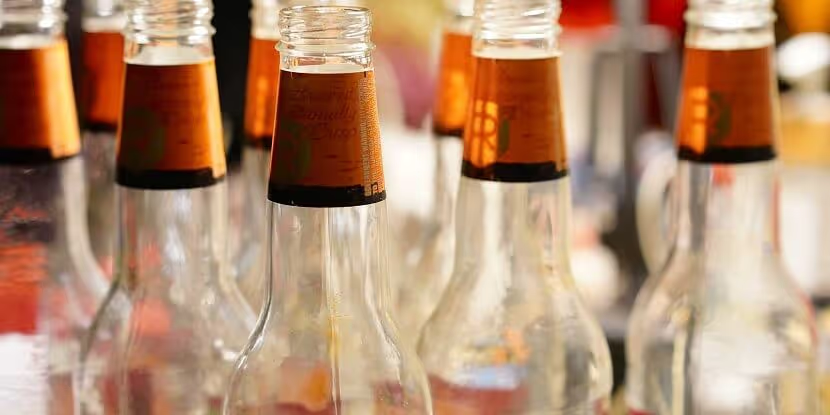
Elevate innovation in the RTD (ready‑to‑drink) cocktail category. RTD cocktail producers across the U.S. are developing premium formulations, researching novel mixers and alcohol carriers, improving shelf‑stable flavour delivery, innovating packaging formats and refining dispense/canning lines. Many of these activities qualify for the federal R&D Tax Credit under IRC §41, and state credits may further augment savings.

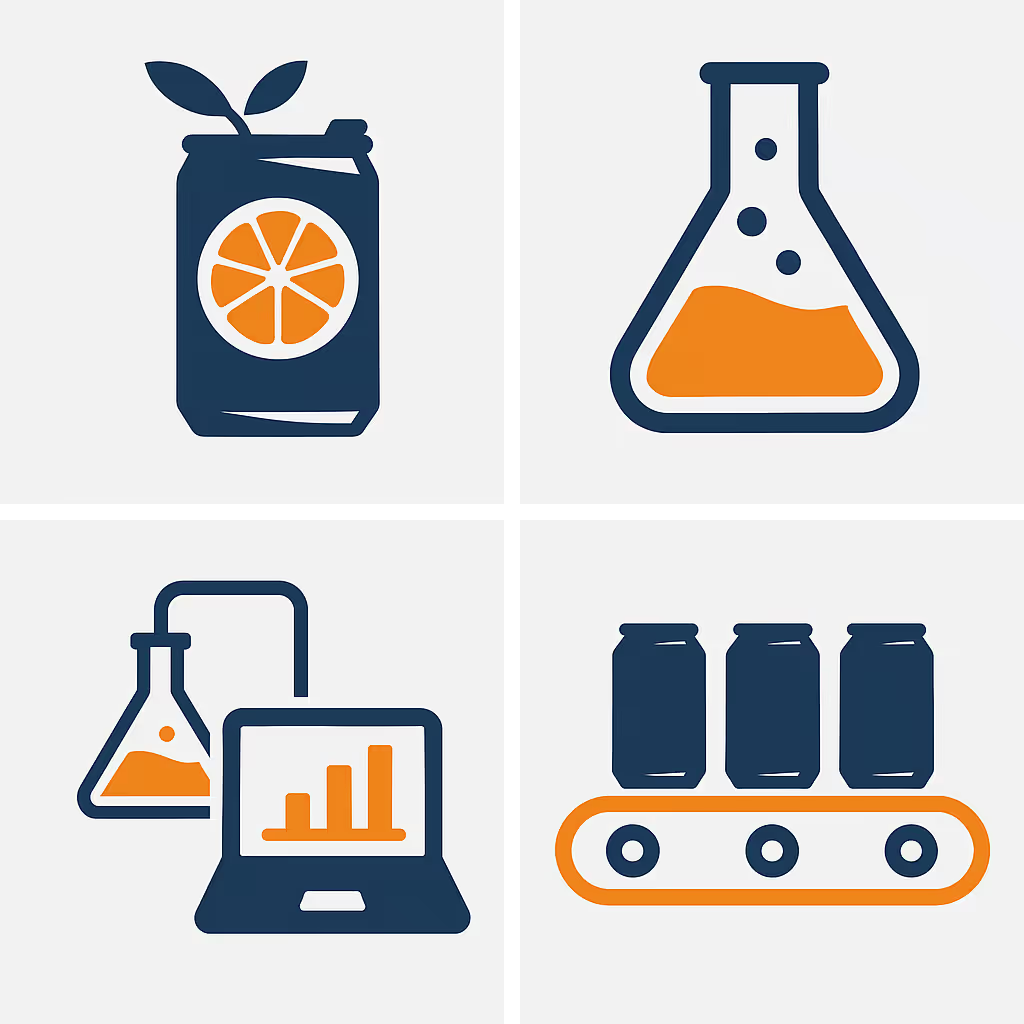
Examples of qualifying activities in RTD cocktail production
- Formulation & Mixer Innovation Developing premium mixers, sugar‑reduced bases, botanical infusions, layered cocktails, high‑proof RTD options
- Shelf Life & Stability Optimization Testing shelf stability of flavour, carbonation, clarity in various can formats, under ambient and stress conditions
- Packaging & Dispensing Enhancements Experimenting with novel can formats, resealable pouches, smart caps, nitrogen‑infused dispense, minimal‑oxygen fill systems
- Carbonation / Dispense Process Development Refining in‑can or in‑pouch dispense systems, carbonation retention, headspace control, gas flush systems
- Sustainability & Ingredient Sourcing Projects Testing recycled or compostable packaging, alternative alcohol bases (botanical spirits, CBD/THC infusions where legal), water‑reuse systems, energy‑efficient mixing/filling operations
- Scale‑Up & Process Control Piloting canning/filling lines for new formats, automating mix/dispense systems, deploying real‑time analytics for flavour retention/oxygen ingress/packaging integrity
What qualifies as R&D in RTD cocktail production?
To qualify, your activities must:
- Pursue a permitted purpose such as a new or improved drink formulation, packaging format, dispensing process or stability technique (e.g., botanical‑infused canned cocktail, shelf‑stable tropical‑fruit premium RTD, novel shelf life system)
- Address technical uncertainty around how to achieve desired flavour balance, shelf‑life, carbonation, ingredient solubility, layer separation, packaging integrity
- Follow a process of experimentation, such as pilot batches, shelf‑life/stability studies, packaging format testing, mixer/spirits base trials
- Be technological in nature, grounded in chemistry (flavour blend, acid/bitter balance, solubility), biology (fermentation where relevant), engineering (fill/can/dispense systems), materials science (can lining, barrier packaging)
Qualified Research Expenses (QREs)
Roles commonly involved in qualifying activities
- Mixologists/formulators, beverage scientists
- QA/QC and stability‑testing researchers
- Packaging/can‑engineers and dispense‑system specialists
- Process/control engineers and automation leads
- Sustainability/alternative‑base project leads
- External R&D partners and consultants
What does not qualify
- Routine production of existing RTD cocktails without variation or experimentation
- Standard filling/canning with no experimental or innovation component
- Marketing, branding or sales efforts unrelated to experimental development
- Equipment installation or packaging change with no experimentation or process control optimisation
Compliance and Documentation
Following the One Big Beautiful Bill Act (OBBBA) signed July 4, 2025, §174 now allows immediate expensing of domestic research expenses for tax years beginning on or after January 1, 2025. Taxpayers may also elect optional amortization under new §174A. Foreign research expenses must still be amortized over 15 years. This is separate from the §41 credit but impacts overall tax planning.
Maintain clear records of:
- Formulation trial plans, ingredient variation logs, pilot batch results
- Shelf‑life/stability study logs: flavour clarity, carbonation retention, container integrity under ambient & stress conditions
- Packaging/dispenser test logs: fill/run line data, oxygen ingress/flush logs, material trial results
- Ingredient‑base trials for alternative alcohol carriers, botanical infusions, sugar‑reduced bases
- Employee time allocations tied to R&D, contractor invoices, software usage logs
Frequently Asked Questions
Yes. Producers creating new flavour formulations, mixer bases, packaging or dispense innovations, shelf‑life/stability testing and sustainability improvements may qualify.
Wages of staff involved in trials, supplies for pilot batches and packaging prototypes, software for analytics/control, and part of contract research costs.
Whether small craft producers or larger national brands testing premium mixers, novel alcohol carriers, low sugar/high flavour options, you may qualify if engaged in experimentation.
Routine production without innovation, standard filling without process development, marketing or routine packaging, equipment installs without experimentation.
Savings depend on scope of trials, innovation and documentation. Beverage‑industry sources suggest ~18% of eligible expenses may qualify.
Keep logs of formulation variations, shelf‑life/stability test results, packaging trials, dispense/fill line data, employee time sheets, contractor invoices, software usage logs.
Next Steps

Use our calculator to estimate your potential federal and state benefits

Schedule a consultation to structure your row crop research activities
If you are innovating in agriculture, you may already be doing R&D. Let's make sure you are rewarded for it.
Contact Strike Tax Advisory
Ready to maximize your R&D tax credits? Get in touch with our team of experts.

How much could I get back for
Ready-to-Drink Cocktails
?